
Introduction
Every week I meet founders who have spent time and money on a brand name, only to realise someone else has already registered it. A quick search for how to register a trademark in India at the idea stage would have saved them from objections, rebranding, or legal notices.
A trademark is the legal identity of a brand under the Trade Marks Act, 1999. It can be a word, logo, slogan, shape, sound, or colour combination that helps customers recognise a single source of goods or services. The ™ symbol shows that someone claims rights over a mark even before registration, while the ® symbol is reserved only for marks that are officially entered on the Register of Trade Marks under the Controller General of Patents, Designs and Trade Marks (CGPDTM).
“A trademark is a sign capable of distinguishing the goods or services of one enterprise from those of other enterprises.” — World Intellectual Property Organization (WIPO)
The full process usually takes about 18–24 months, but it starts with one correctly prepared application. This guide explains how to register a trademark in India in 2026, step by step—who can apply, what kind of mark to choose, the filing stages, documents needed, key benefits, and what happens after registration. I write this from my experience as a Registered Trademark Attorney, using plain language and practical examples.
By the end, my goal is that the process feels clear and manageable, so you can protect the brand you are building with confidence.
Key Takeaways
A registered trademark gives legal protection to a brand name, logo, or slogan under Indian law. It links goods or services to a single source in the minds of customers and helps build a clear market identity.
Almost any person or entity can apply—individuals, startups, companies, LLPs, foreign businesses, trusts, and societies. What matters most is filing in the correct legal name of the owner.
A proper trademark search on
ipindiaonline.gov.inis the best starting point. The process then moves through class selection, filing, examination, publication, opposition, and registration.A registered trademark is valid for ten years from the filing date and can be renewed again and again. Careful planning at the start prevents many objections and disputes later.
Who Can Apply for a Trademark in India?

A common doubt I hear from early‑stage founders is whether they are “eligible” to apply for a trademark. The Indian system is flexible. Almost anyone who is using or intends to use a mark in business can apply.
What really matters is that the true legal owner is named in the application. The person or entity listed as the applicant becomes the owner after registration.
| Applicant Type | How The Application Is Filed |
|---|---|
| Individual | Filed in the individual’s personal name, even if the business has not started yet. The person then owns the rights in a personal capacity. |
| Joint Owners | Filed as one joint application with the names of all co‑owners. Each person shares ownership in the registered mark. |
| Proprietorship Firm | Filed in the legal name of the proprietor, not the shop or trade name. The shop name can still be the trademark itself. |
| Partnership Firm | Filed with the names of all partners (up to ten). The firm details are also mentioned in the form. |
| LLP | Filed in the name of the LLP, which is a separate legal person. Individual partners are not listed as owners. |
| Indian Company | Filed in the full registered name of the company (Private Limited, OPC, etc.). The company, not its directors, owns the mark. |
| Foreign Company | Filed in the foreign company’s registered name, along with its country and governing law. This gives protection inside India. |
| Trust or Society | Filed in the name of the trust or society, with the authorised trustee or office‑bearer signing on its behalf. |
I often see shop owners filing in the shop name instead of their own legal name, which creates confusion later. A simple rule helps:
The trademark owner should be the real legal person (individual or entity), while the brand name or logo appears as the mark itself.
Types of Trademarks You Can Register in India
Choosing the right kind of mark is a key strategic decision, as highlighted in recent work on trademark and design registration strategies in the Indian market. Some marks are strong and easy to protect; others face higher chances of objection.
Broadly, I divide marks into two groups: general trademarks, where strength depends on distinctiveness of the word or logo, and specific trademarks, which protect special features such as sound, shape, or membership of an association.
General Trademarks
| Type | What It Means In Practice |
|---|---|
| Fanciful mark | A completely invented word created only for branding, with no prior meaning. These are very strong and rarely clash with earlier marks. |
| Arbitrary mark | A common word used for unrelated goods or services (for example, a fruit name for software). These also enjoy strong protection. |
| Suggestive mark | Hints at a feature or benefit and requires some imagination from the buyer. Generally easier to register than descriptive marks. |
| Descriptive mark | Directly describes the product, its quality, or purpose. Hard to register unless long, continuous use has made the mark well known. |
| Generic mark | Common names for goods or services (like “milk” for milk) and cannot be protected, because everyone must be free to use them. |
Specific Trademarks
| Type | What It Protects |
|---|---|
| Service mark | Names and logos used for services such as banking, travel, consulting, or software as a service. |
| Collective mark | Marks used by members of a group, such as professional bodies or trade associations. |
| Certification mark | Signs that show a product meets specific standards of quality, origin, or safety. |
| Trade dress | The overall look and feel of packaging or product shape, where the appearance has become strongly associated with one source. |
| Non conventional marks | Distinctive sound, pattern, hologram, or motion marks that can be represented clearly on the record. |
Whenever possible, I guide brand owners towards fanciful or arbitrary marks. They stand out, are easier to defend, and usually face fewer legal hurdles.
How to Register a Trademark in India Step By Step Process
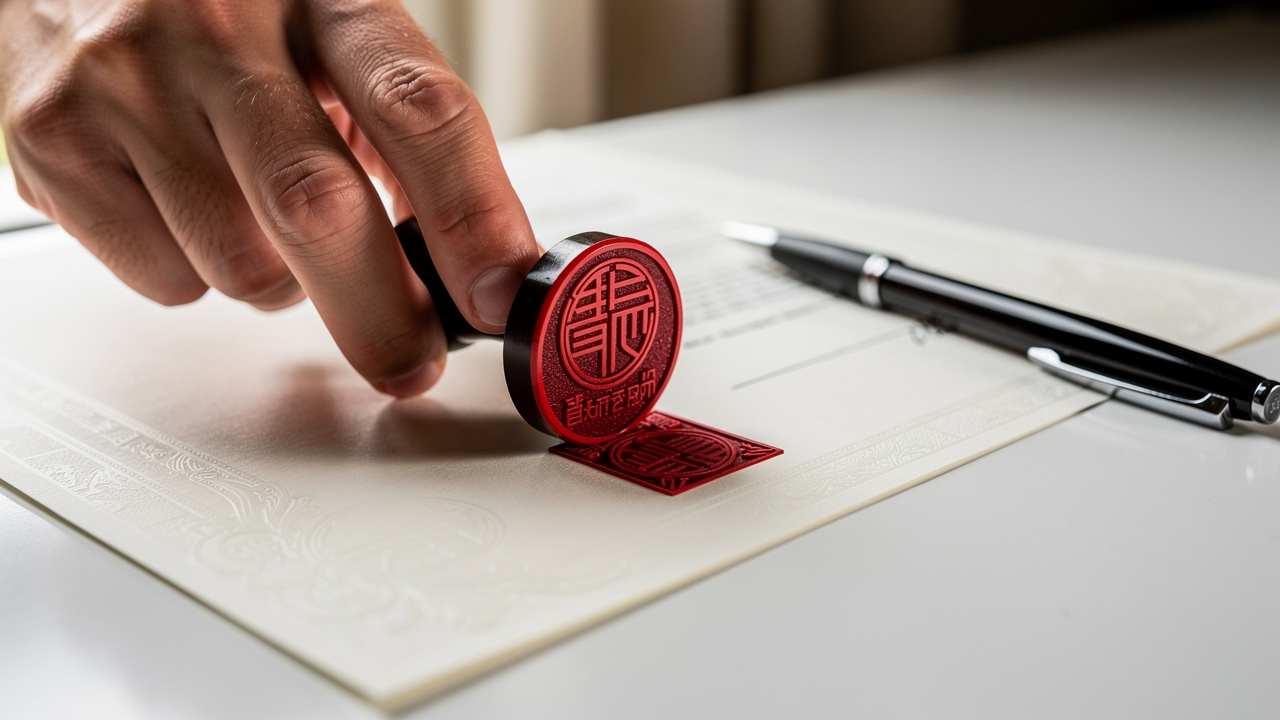
Let us now move to the actual procedure under the Trade Marks Act, 1999. Many people think it is just about filling a form, but there are clear stages you move through.
While registration may take 18–24 months, you usually get an application number within one or two days, and from that point you can start using the ™ symbol.
“The best time to file for a trademark is the moment you settle on a name you want to keep.” — Common advice from senior IP practitioners
Step 1 Conduct A Trademark Search

Before I draft any application, I start with a careful trademark search on the official CGPDTM portal at ipindiaonline.gov.in. This search checks for identical or similar marks in the same or related classes.
I look for:
Exact matches
Phonetically similar words
Visual similarity in logos
Similar marks in related goods or services
Spending time here prevents many objections and costly conflicts later.
Step 2 Choose The Right Trademark Class
Next, you must decide under which trademark class to file. India follows the Nice Classification with 45 classes—34 for goods and 11 for services.
Key points I consider:
What products or services are you actually offering now?
What will you realistically offer in the near future?
Do you really need multi‑class filing, or will one or two classes cover your plans?
Each class carries a separate fee, so I balance protection with the real business plan before adding more classes.
Step 3 File The Trademark Application Form TM A
Once the mark and class are fixed, I prepare and file Form TM A online through ipindiaonline.gov.in.
The form captures:
The exact trademark (word, logo, or combination)
Applicant’s name, address, and legal status
Class or classes chosen
Description of goods or services
Date of first use, if the mark is already in use
Or, a declaration that the mark is “proposed to be used”
After payment of the government fee, the system generates an acknowledgement and application number within a day or two. From that point, you can safely use the ™ symbol with the mark.
Step 4 Examination By The Trademark Examiner
After filing, the application is taken up by an Examiner at the Trade Marks Registry. The Examiner checks:
Whether the form is complete
Whether the mark is distinctive
Whether it conflicts with any earlier mark on the Register
If there are concerns, an Examination Report is uploaded with objections. Many applicants panic at this stage, but I treat the report as an opportunity to:
Explain the mark through a written reply
Submit evidence of use, where helpful
Attend a hearing if the Registrar asks for one
A well‑prepared reply often clears the way for acceptance.
Step 5 Publication In The Trade Marks Journal
If the Examiner accepts the mark (either directly or after your reply), it moves to publication in the Trade Marks Journal. The journal is issued weekly and is open to the public.
The purpose is to:
Inform the public that the Registry intends to register the mark
Give anyone who feels affected a chance to oppose
At this stage, I also monitor the journal for similar marks filed by others, so clients can react early if needed.
Step 6 Opposition Period And Final Registration
After publication, there is a three‑month opposition period, extendable by one more month on request. During this window, any third party may file a Notice of Opposition if they believe the mark conflicts with their earlier rights.
If opposition is filed:
The applicant files a counter statement
Both parties file evidence (affidavits and documents)
Hearings may be held where both sides argue their case
If no opposition is filed, or if the opponent fails to prove their case, the Registry registers the mark and issues a Registration Certificate. From then on, the ® symbol may be used, and the mark enjoys protection for ten years from the filing date.
Documents Required for Trademark Registration

Having the correct documents ready from day one saves time and avoids avoidable office actions. I usually create a checklist before starting the assignment.
| Applicant Category | Key Documents |
|---|---|
| Individual or Sole Proprietor | Clear image of the logo or word mark, personal PAN card, Aadhaar card or passport for address, and a signed Form 48 authorising me or another attorney to act on behalf of the applicant. |
| Partnership Firm, LLP, or Company | Logo or word mark, Certificate of Incorporation or Partnership Deed, Udyog Aadhaar or MSME certificate if fee concession is claimed, PAN and Aadhaar of the authorised signatory, and a signed Form 48 on the entity’s letterhead. |
Once these details are ready, preparing Form TM A is far smoother. In my experience, most filing delays come not from legal issues, but from missing basic documents that could have been collected at the start.
Benefits, Validity, and Renewal of Your Trademark

Many founders see trademarks as just another compliance expense. I see them as one of the strongest long‑term assets a business can build.
“Your brand is the single most important investment you can make in your business.” — Steve Forbes
Here are the key benefits of trademark registration in India:
Exclusive rights in your class
Once a mark is registered in a class, only the owner can use that mark for those goods or services across India. If someone uses a confusingly similar mark, the owner can take legal action.Stronger protection against infringement
A registered mark appears on the official Register, which courts look at first. This makes cease and desist notices and civil suits for injunction and damages far more effective.Clear, protectable brand identity
A consistent, registered mark helps customers associate the name and symbol with your quality and reputation. Over time, this recognition turns into repeat business and referrals.Intellectual property asset
A registered trademark is an intangible asset. It can be:Licensed to franchisees or distributors
Assigned or sold to another company
Used to support international filings under the Madrid Protocol
In India, a registration is valid for ten years from the application date. Before this period ends, the owner can file a renewal request and pay the renewal fee. There is no limit on the number of renewals, so a mark can protect your brand for as long as you maintain and use it honestly.
Conclusion
Trademark registration is not just a formality; it is a planned step to protect the identity and value of a business. The process follows a clear path:
Conduct a trademark search
Choose the correct class
File Form TM A
Respond to examination
Monitor journal publication
Handle any opposition
Receive the Registration Certificate and use the ® symbol
Seen this way, how to register a trademark in India becomes a structured workflow rather than a confusing maze.
I know these legal steps can still feel heavy, especially for first‑time founders and small businesses. That is why I built the Advocate Rajesh Arya platform—to share practical, experience‑based guides on objections, hearings, renewals, and common mistakes. If you need deeper insight on any stage, I invite you to explore those detailed articles and stay ahead in protecting your brand.
FAQs
Before closing, here are brief answers to questions I hear most often about trademark registration in India.
Question 1 How long does it take to register a trademark in India?
Registration usually takes around 18–24 months, depending on examination speed, objections, and opposition (if any). However, you receive an application number within one or two days of filing, and you can use the ™ symbol from that point.
Question 2 What is the government fee for trademark registration in India?
The fee depends on:
Who is filing (individual/startup/MSME vs. other entities)
How many classes are included
Whether filing is done online
Individuals, recognised startups, and registered MSMEs usually pay a lower fee per class. Other companies and LLPs pay a higher standard rate. For exact current figures, I always refer clients to the latest fee table on the official CGPDTM website.
Question 3 Can I file a trademark application without a lawyer?
Yes. Any person can create an account on ipindiaonline.gov.in and file Form TM A independently, especially for simple, single‑class word marks. That said, an experienced trademark attorney can help with class selection, drafting descriptions, and replying to objections. If an attorney files on your behalf, a signed Form 48 is mandatory.
Question 4 What happens if someone opposes my trademark application?
If a third party files a Notice of Opposition during the opposition period:
You must file a counter statement within the prescribed time
Both sides submit evidence by affidavits and documents
The Registrar may hold hearings before deciding
If the opponent does not prove their case, the mark proceeds to registration. If the opposition succeeds, the application may be refused for some or all classes.
Question 5 How do I renew a trademark in India?
You can renew a trademark anytime within the prescribed window before its ten‑year term expires, and even later during a grace period with surcharge. The owner or authorised attorney:
Files the renewal form online
Pays the renewal fee for each class
Once processed, the mark remains on the Register for another ten years, and you can keep renewing it in the same way.