Introduction
Picture building a small brand that people genuinely like. The logo is on every box, the name is on every invoice, and repeat orders keep coming. Then a legal notice arrives saying another company has already registered that name as a trademark. Overnight, the brand must change, and years of work start to slip away. I see this shock far too often; a little trademark planning at the start would have avoided it.
In 2026, business is more connected and visible than ever. A catchy name can spread across cities through social media long before you finish your paperwork. That name, and the symbol behind it, is one of the most valuable assets a business owns. Without some clear trademark basics for entrepreneurs, that asset can be copied or challenged with very little warning.
In my work as Advocate Rajesh Arya, a Registered Trademark Attorney, I spend much of my time explaining trademark law in simple language. I built this educational platform so founders, small business owners, and brand managers can understand their rights even before they meet a lawyer. In this guide, I will walk through practical trademark basics for entrepreneurs in India, from the difference between a brand and a trademark to how long protection can last.
Key Takeaways
A brand is how people feel about your business. A trademark is the legal shield for names and logos. Strong brands need both working together.
In India, trademarks are governed by the Trademarks Act, 1999. Registration gives exclusive rights under Section 28 of that Act.
Names, logos, taglines, and combination marks can all be protected. Each carries goodwill earned over time, and losing any one of them can confuse customers.
Registered trademarks last ten years at a time and can be renewed again and again.
Early filing is safer than delay. Waiting leaves space for others to claim similar marks, which can be expensive to fix later.
Brand Vs. Trademark – What Every Entrepreneur Must Understand First
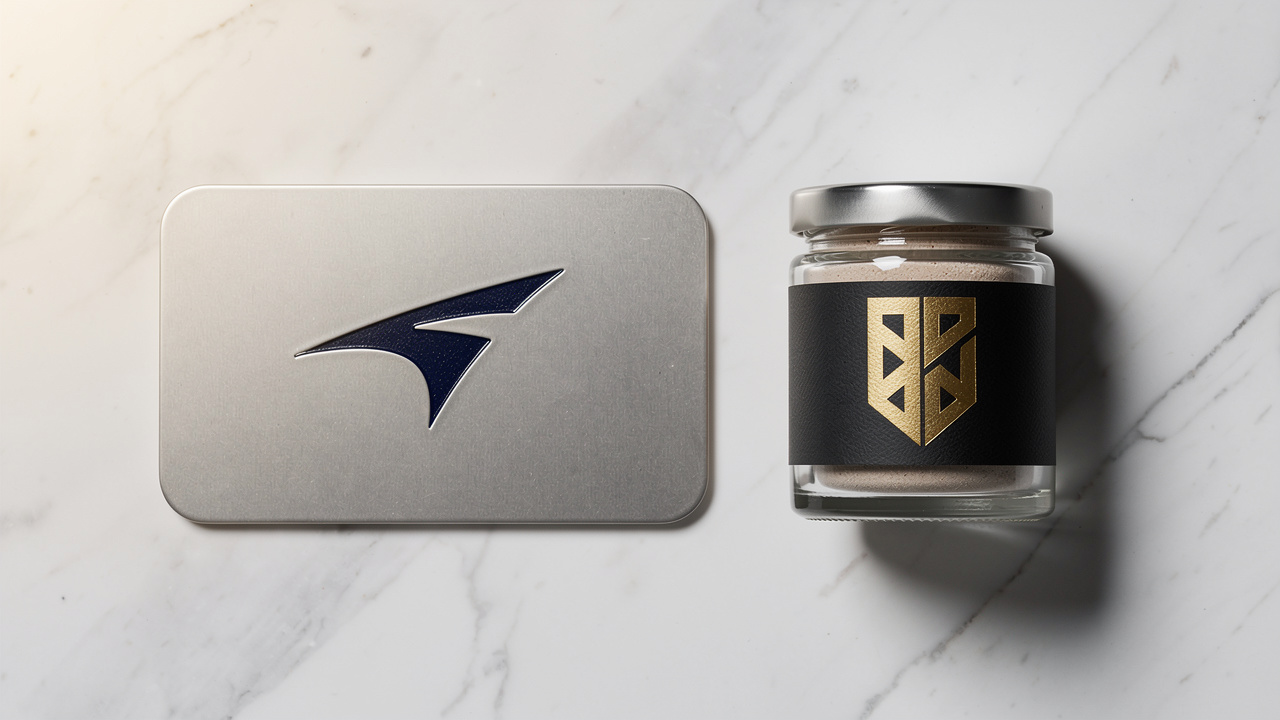
Many first-time founders mix up brands, trademarks, and company registrations. That confusion leads to weak protection and painful disputes later. Before thinking about forms and fees, it helps to see how these ideas connect.
A brand is an idea in the minds of customers. It is the mix of feelings, stories, and expectations linked with a business. When people think of Apple, they may think of design, innovation, and premium quality. That reaction is the brand, and it grows through marketing, product experience, and word of mouth.
“Your brand is what other people say about you when you’re not in the room.” — Jeff Bezos
A trademark is more concrete. It is a word, logo, symbol, or combination that the law recognises as a sign of origin. The name printed on your product, the logo on your app icon, or the tagline under your shop board can all act as trademarks. When registered, these signs are protected so that other traders cannot use confusingly similar ones for the same goods or services.
Dimension | Brand | Trademark |
|---|---|---|
Nature | Intangible perception | Legal designation |
Protection Mechanism | Customer loyalty and marketing | Intellectual property law |
Primary Purpose | Build relationships and recognition | Prevent confusion and protect identifiers |
Longevity | Changes with customer perception | Indefinite with renewal |
An easy way to see the link is this: a trademark is the legal tool that protects the visible pieces that build a brand. Without legal protection, another business can copy the same or a close mark and ride on the trust you created.
It is also important to separate company name, brand name, and trademark:
A company name is the legal name you register with the Ministry of Corporate Affairs (MCA).
A brand name is what customers see on products, packaging, and marketing. One company may use many brand names.
A trademark is the legal protection you seek for that brand name, logo, or tagline so others cannot claim it.
For example, Procter & Gamble is the company name, while Gillette is one of its brand names and also a registered trademark.
Registering your company with the MCA does not protect your brand name as a trademark. Many Indian entrepreneurs still overlook this basic point.
What Can You Actually Trademark? Identifying Your Protectable Assets
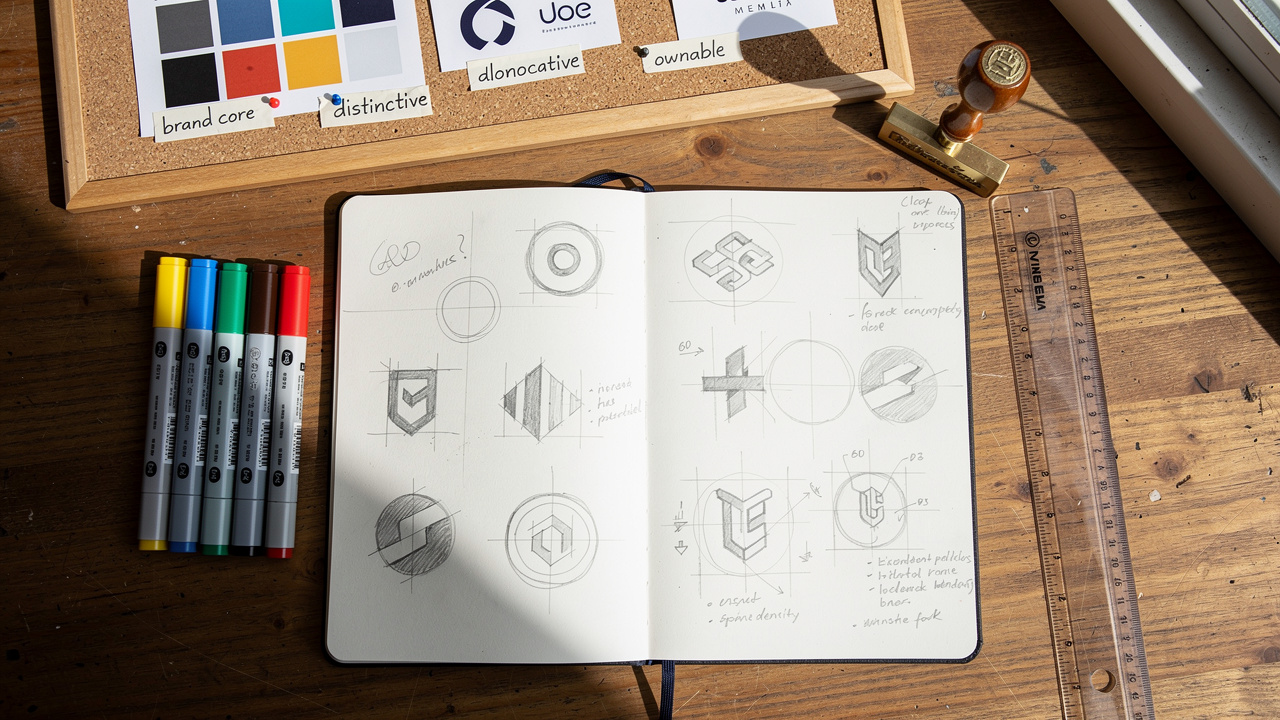
Once the difference between brand and trademark is clear, the next step is to identify what can be protected. The Trademarks Act, 1999 allows a wide range of marks, but not every sign will pass. Thinking carefully at this stage saves time, money, and later disputes.
Most startups come across three common types of trademarks. Understanding each type helps when choosing what to file and how to brief your designer.
Word mark
A word mark protects the word or name itself, no matter which font or colour you use. Think of a simple text mark such as Nike or Infosys. If registered, you can write it in any style and still claim the same protection.Device / Logo mark
A device mark protects a logo or symbol. Even if the name is not written, the design alone tells buyers who you are. Well-known examples include the Nike swoosh or the bitten-apple symbol.Combination mark
A combination mark protects a mix of words and design. Many brands use their name in a special script or with a graphic element. In such cases the full combined version, as filed, enjoys protection.
Beyond these, several other brand elements can be registered if they stand out from the crowd:
Taglines and slogans – short phrases under your logo can become very strong marks over time.
Stylised letters and numbers – logos that blend letters, numbers, and shapes in a special way are often treated as device marks.
Packaging shapes or labels – in some cases, distinctive packaging or label designs can be protected.
These extra elements often turn a simple name into a richer identity.
Another key idea is distinctiveness. The more your mark directly describes the goods or quality, the weaker it is in law. A name like Best Bakery for bakery items will be hard to protect, because many traders need to use words like “best” and “bakery” in normal speech. Descriptive marks usually sit on shaky ground.
“The strongest trademarks are those that make people think of your brand, not of the product category.”
When you plan a trademark, two quick checks help:
Avoid marks that are purely descriptive of the goods or services.
Avoid marks that are too similar to existing registered or pending marks.
Before falling in love with any name or logo, I always suggest a simple search on the public database at the IP India portal. It shows existing marks that may clash with your idea. Making time for this one step can prevent a long fight or a forced rebrand a few years later.
Why Trademark Registration Is A Strategic Business Decision, Not Just A Legal Formality

Many business owners see trademark registration as tedious paperwork to be done only when the brand grows big. From my experience, this view is risky. In 2026, when brands can scale across India through online channels within months, early registration is a strategic business decision, not just a legal box to tick.
When a mark is registered under the Trademarks Act, 1999, Section 28 gives the owner strong rights. Those rights turn your chosen name or logo into a protected business asset. The main benefits are easier to see when broken into parts:
Exclusive rights
Registration gives you exclusive rights to use the mark for the goods or services listed in the application. Others in India cannot lawfully use an identical or confusingly similar mark for the same line of trade. This protects your market space and keeps your brand message clear.Legal enforcement
With registration, you can sue anyone who uses a conflicting mark without consent. Courts can grant an order stopping their use and may also award money for loss or ask the infringer to give up profits. This puts real weight behind the name or logo you built.Right to use ® symbol
Only registered owners can place the ® symbol next to their mark. That small sign sends a strong message to customers and competitors that the brand is serious about protection. In practice, I have seen it stop many would‑be copycats at an early stage.Business asset and licensing
A registered trademark sits on your books as an intangible asset. You can license it to dealers or franchise partners and charge for that right. In some cases, banks and investors also look at brand strength while judging the health of a business.Online and global growth
Major e‑commerce platforms often ask for trademark registration before granting extra brand protection tools. The same mark can support later filings in other countries if the business expands.Nationwide coverage
One registration in India covers use across the whole country. You do not need separate approvals for each state, which keeps branding consistent as you grow.
“Your brand’s reputation may be built through marketing, but it is protected through law.” — Advocate Rajesh Arya
Research consistently shows that many buyers prefer products from names they already know and trust, and as explored in What’s a Trademark Worth?, registered marks can carry measurable financial value for a business. When a mark is properly registered and used with care, it supports that feeling of trust. Clear rights reduce confusion, and clear names reduce doubt.
How Long Does Trademark Protection Last? Understanding Renewal And Maintenance

Another key part of trademark basics for entrepreneurs is how long protection lasts. Unlike patents or designs, which expire after a fixed period, trademarks can in theory last forever. This long life is possible only if the owner treats the mark with care.
Two conditions matter the most:
Genuine use
The mark must stay in real use for the goods or services listed. If you stop using it for a long stretch, others can argue that the mark is abandoned and ask for it to be removed from the register.Timely renewal
The registration must be renewed every ten years from the filing date by paying the renewal fee.
Simple systems inside your business can make this much easier:
Set a reminder well before the ten‑year deadline. Add the date to more than one calendar in your team. Treat renewal as a yearly compliance check, not a last‑minute rush.
Keep records that show real use of the mark, such as invoices, labels, website screenshots, or marketing material. These records help if anyone questions whether the mark has stayed active.
Watch new filings on the trademark register that are close to your mark. Early action, such as filing an opposition, is often cheaper and simpler than a court case later. Many entrepreneurs handle basic watching on their own and seek legal help only when they spot a serious clash.
On my platform I often share reminders and checklists on renewal and use, because maintenance is as important as filing. Treat your trademark like a long‑term companion to the business, not a one‑time task.
Conclusion

By now, the main trademark basics for entrepreneurs in 2026 should feel clearer. A brand is the story people tell about a business, while a trademark is the legal shield for the names and symbols behind that story. Knowing what you can protect, why registration matters, and how long rights can last turns a confusing topic into a practical set of actions.
In my work with entrepreneurs across India, the ones who protect their brands early are the ones who scale with confidence. They run a quick search on the IP India portal, clear any risky names, and file applications before pouring money into packaging and promotion. They also keep an eye on renewal dates and real use so protection does not quietly slip away.
This article is part of my effort as Advocate Rajesh Arya, Registered Trademark Attorney, to explain law in plain language for growing businesses. It is not a substitute for legal advice on a specific case, but it should make the next conversation with any advisor simpler and faster. Your brand carries your hard work and reputation, and it is worth protecting with timely, well‑planned steps.
FAQs
What Is The Difference Between A Trademark And A Copyright?
A trademark protects signs that show where goods or services come from, such as names, logos, and taglines. Copyright protects original creative works like books, music, films, photos, and software code. Trademarks usually need registration for full legal strength in India, while copyright protection starts as soon as the work is created.
Can I Use The ™ Symbol Before My Trademark Is Registered In India?
Yes, any business may use the ™ symbol to show that it claims a mark, even before filing. It acts only as a warning sign and does not mean the mark is registered. The ® symbol is reserved for marks that have completed registration. Using ® without registration can lead to legal trouble.
How Long Does It Take To Register A Trademark In India?
In normal cases, the full process can take from around eighteen months to more than two years. The time depends on how quickly the registry examines the mark and whether anyone files objections or oppositions. The good news is that your priority date starts from the day you file the application.
Do I Need A Trademark If I Have Already Registered My Company Name?
Yes. Company registration and trademark registration are two different systems. The Ministry of Corporate Affairs allows you to use a company name for legal and tax work, but that does not give brand protection in the market. Only a trademark registration gives enforceable rights over your brand name or logo.