
Introduction
An email from the Trademark Registry lands in the inbox. The subject mentions a hearing notice, and the heart skips a beat. Many founders and brand managers first look up the trademark hearing procedure in India at this point of panic, not at the time of filing the application.
A trademark hearing is not a punishment and it is not the end of the road. It is a formal meeting with the Registrar of Trademarks where the applicant gets a chance to explain the mark, clear objections, and protect the brand. In simple words, it is the Registrar saying, “I still have doubts; come and explain this to me directly.”
As the World Intellectual Property Organization (WIPO) explains, “A trademark is a sign capable of distinguishing the goods or services of one enterprise from those of other enterprises.”
I am Advocate Rajesh Arya, a Registered Trademark Attorney. Through my platform, I share practical, educational content on trademark law so that business owners and students can follow these steps without drowning in legal jargon. This article is one such guide and it is general information, not a substitute for personal legal advice.
In the next sections, I walk through the entire trademark hearing procedure in India in plain language. Step by step, I explain when hearings are triggered, what happens during the hearing, how to prepare evidence and documents, common mistakes, and what to expect after the hearing. By the end, the notice in the inbox should feel less like a threat and more like a structured process that can be handled with preparation.
Key Takeaways
A trademark hearing happens when written communication is not enough. It usually follows an examination objection or a third‑party opposition. It is a real chance to protect the mark face to face or through video.
Strong preparation is the main success factor. That means reading every line of the objection, collecting focused evidence, and planning clear legal arguments. Good documents and clear thinking often matter more than fancy language.
Hearings now often take place through video conferencing. This saves travel time and makes it easier for small businesses to attend. Even on video, the hearing is formal and the Registrar expects serious preparation.
Missing a hearing or a post‑hearing deadline can shut the application. The Registry may mark it abandoned or refused. Regularly checking status on the IP India portal is just as important as attending the hearing.
What Is A Trademark Hearing And When Is It Triggered?

At its core, a trademark hearing is a formal legal proceeding before the Registrar of Trademarks or a hearing officer. It flows from the Trade Marks Act, 1999 and works like a mini court session — and as an empirical analysis of scandalous and obscene trade marks in India illustrates, the Registry applies these standards with measurable consistency across different categories of marks. The Registrar has doubts about an application, and the applicant gets a structured chance to respond in person or through video.
The trademark hearing procedure in India usually begins after the filing stage, not at the very start:
First, the examiner studies the application and issues an Examination Report if there are concerns.
These concerns can fall under Section 9, where the mark is considered non‑distinctive or descriptive, or under Section 11, where the mark is considered too close to earlier marks.
The applicant files a written reply. If the Registrar is still not convinced, a Show Cause Hearing is fixed.
The second trigger is a third‑party opposition. After an application passes the examiner stage, it is advertised in the Trademark Journal. For four months, any person who feels harmed by that mark can oppose it. This can be due to confusing similarity, prior use, or alleged bad faith. If the opposition moves ahead, both sides file pleadings and evidence, and an Opposition Hearing is held.
To make the picture clearer, it helps to compare the two types of hearings that appear in the trademark hearing procedure in India.
| Point | Show Cause Hearing | Opposition Hearing |
|---|---|---|
| Who Is Involved | Applicant and Registrar | Applicant, opponent, and Registrar |
| Main Reason | Examiner not satisfied after reply | Third party files opposition after journal publication |
| Focus | Objections under Section 9 or 11 | Conflict between two sets of rights |
| Outcome | Application may move to journal or be refused | Application may proceed, be refused, or be restricted |
A hearing is not a rejection. It is the last formal chance to speak, explain, and place evidence before a final decision is taken.
The Step-By-Step Trademark Hearing Procedure In India

Many people see a hearing notice and think the process is random. In reality, the trademark hearing procedure in India follows a clear series of steps that are the same across the five Registry offices in Delhi, Mumbai, Chennai, Kolkata, and Ahmedabad.
Filing The Application (Form TM–A)
The applicant files Form TM–A with details of the mark, the owner, and the goods or services. The Registry allots an application number and assigns the matter to an examiner. At this stage, there is no talk of hearings, only basic filing and form checks.Examination Of The Application
The examiner conducts a search for similar marks and tests the filing against legal rules on distinctiveness and conflict.If no issues are found, the mark goes straight to the Trademark Journal.
If problems appear under Section 9 or Section 11, an Examination Report lists those objections and is shared on the IP India portal and by email.
Reply To The Examination Report
The applicant usually gets one month from receipt of the Examination Report to file a detailed written response. This reply should address every objection with:Facts about the business and use of the mark
Relevant case law or Registry precedents
Evidence of use, when available
Many hearings are avoided at this stage when the reply is strong and clear.
Fixing Of Show Cause Hearing
If the Registrar still has doubts, the status on the portal changes to “Ready for Show Cause Hearing.” A hearing notice then gives the date, time, venue or video link, and the issues to be discussed.
There is no government fee for the hearing itself, though there may be professional fees if an attorney appears.Appearance On The Hearing Date
On the hearing date, the applicant or attorney appears before the hearing officer, in person or online. They:Explain the case and the nature of the mark
Highlight differences with cited marks
Point out evidence of use
Answer questions from the hearing officer
The officer may record short notes of the arguments for the file.
Written Submissions (If Asked)
The officer may ask for written submissions after the hearing. These are short written arguments that repeat and structure what was said, usually to be filed within about fifteen days. Missing this step can harm the case because the officer may pass an order without those points on record.Final Order And Possible Appeal
The Registrar passes a final order. The application may be:Accepted in full
Accepted with conditions, such as a disclaimer or limited specification
Refused
If refused, the applicant can consider an appeal before the relevant High Court, which is a separate, more advanced proceeding.
During this full trademark hearing procedure in India, it is important to log into the IP India portal often. Status updates, hearing dates, and orders appear there first, and missing one small change in status can have a big effect on the application.
How To Prepare For Your Trademark Hearing: Evidence, Arguments, And Documents
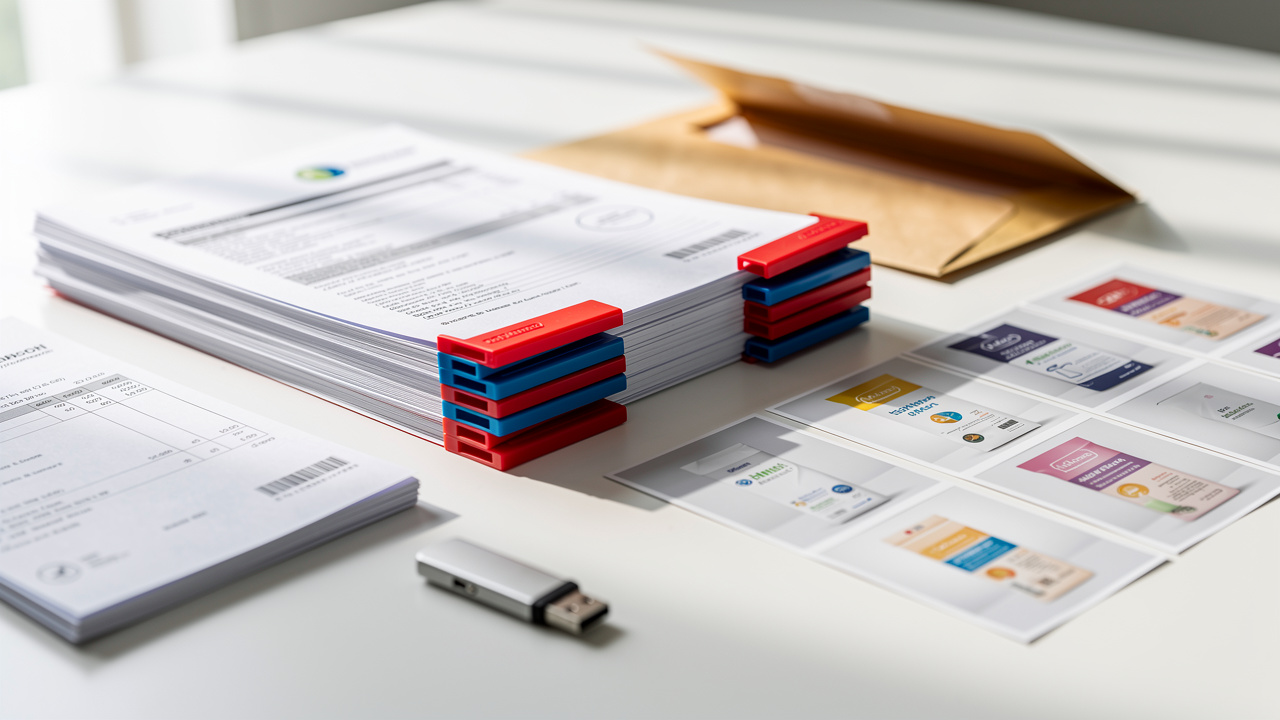
Good preparation often decides the fate of a hearing. I have seen weak marks survive when the applicant came with clear use documents and focused arguments — a pattern supported by research findings, including an empirical analysis of trade mark decisions in India that highlights how evidentiary strength influences Registry outcomes. I have also seen strong marks fail because the party walked in with no structure and a pile of random papers. The trademark hearing procedure in India rewards clarity, not volume.
1. Understand The Objections
The first step is to review the Examination Report and the hearing notice line by line:
Note every section number mentioned.
Underline each sentence that states a reason for objection.
If earlier marks are cited, list their application numbers, goods or services, and how they look or sound.
This simple list becomes your plan for the hearing.
2. Collect Focused Evidence
Next, collect evidence that links directly to those points. Different objections need different documents, and it helps to think in a simple grid.
| Type Of Objection | Helpful Evidence |
|---|---|
| Lack of distinctiveness under Section 9 | Long‑dated invoices, catalogues, packaging, and website pages that show the mark in real trade, plus an affidavit of use from the owner |
| Similarity to existing marks under Section 11 | Side‑by‑side comparison of marks, details of goods or services, price ranges, and channels of sale to show how confusion is unlikely |
| Reputation or goodwill claims | Social media data, ad campaigns, press coverage, awards, MSME or ISO certificates, and customer feedback showing the mark in the market |
Do not dump every document you can find. Pick items that directly support your stand and arrange them with page numbers in a bundle. This makes it easier for the hearing officer to follow your story.
3. Shape Your Legal Arguments
Then, plan the legal arguments around that evidence:
For Section 9 objections, focus on how the mark has gained a second meaning in the trade. Explain how traders or customers now see it as pointing to your business, not as a normal word. Use invoices, advertisements, and traffic data to support this.
For Section 11 objections, break down the marks into visual, spoken, and idea parts and explain how they differ for a normal buyer. If the channels, prices, or target customers are very different, highlight that contrast.
A practical rule I often share with clients is: “If a busy customer would stop and think, confusion is less likely. If they would pick up the wrong product without noticing, confusion is more likely.”
4. Prepare Essential Documents
Along with ideas, the trademark hearing procedure in India demands the right paperwork. A simple checklist can keep things under control:
Copy of Form TM–A
Confirms that all details match your evidence. When the hearing officer asks about any claim, you can quickly point to the filed form.Examination Report
Needed so that both sides talk about the same objections. If the officer refers to a paragraph, you can look at the exact words and respond directly.Copy of your written reply
Helps you avoid repeating or contradicting earlier points. You can show that certain explanations have already been given in writing.Well‑marked set of evidence
Both physical and digital sets are helpful. The physical set may be needed in some in‑person hearings. The digital set is useful in video hearings, where you may be asked to email or upload pages.Power of Attorney (if represented)
A Power of Attorney in favour of your trademark attorney or agent must be in place if someone appears for you. Without this, the officer may refuse to hear that person.Copy of the hearing notice
Confirms the date, time, and mode of the hearing. If there is any confusion during call or login, this document can settle it.
For a video hearing, test the internet link, camera, and microphone in advance. Keep the evidence on a laptop and a backup pen drive. Logging in a few minutes early gives time to fix last‑moment access issues and keeps the focus on the arguments instead of technical problems.
Critical Mistakes To Avoid In The Trademark Hearing Process
When people ask me where most applications go wrong, the answer is usually not in the law. It is in basic process mistakes that are easy to prevent with a bit of planning. The trademark hearing procedure in India is formal, so small slips can have large effects.
Ignoring the hearing notice
If you do not attend and do not seek a timely adjournment, the Registry may mark the application abandoned. Once that happens, it is often simpler to file a fresh application than to try to repair the old one.Walking in without preparation
The hearing officer can usually see in a few minutes whether the party has read the file. Unclear answers and missing documents make it easy for the officer to keep the objections and refuse the mark.Filing random or messy documents
A stack of papers that do not link to specific objections forces the officer to do your work. When evidence is confusing, it becomes hard for the officer to rely on it, which may lead to a negative order.Missing the post‑hearing submission window
If the officer has asked for written submissions, that means they matter for the final order. Late or missing submissions can undo the value of a strong oral hearing.Failing to monitor the application status
Many orders, fresh dates, or additional requirements only appear on the IP India portal — and a statistical analysis of trends in IP rights in India confirms that procedural lapses at this stage are among the most common reasons applications stall or lapse. If nobody checks for weeks, valuable time and options may be lost.Handling a complex opposition or bad‑faith claim alone
Some matters involve several earlier marks, use in many states, or serious allegations. In such files, an experienced Registered Trademark Attorney can frame better arguments, handle cross‑references, and guide strategy.
If a genuine emergency makes attendance impossible, it is wise to seek an adjournment in advance by filing Form TM–M with the prescribed fee, at least three days before the hearing date. One timely request can save months of effort invested in the application.
Conclusion

The trademark hearing procedure in India may look scary when a notice first appears, but it is really a structured set of steps. The Registrar raises doubts, the applicant replies in writing, and if questions remain, the matter is discussed in a focused hearing. With the right mindset, this is a chance to present the brand story, not a dead end.
The basic method stays the same for almost every case:
Understand the exact objection.
Gather clear, relevant evidence.
Build targeted legal arguments around that evidence.
Attend the hearing, answer questions calmly, and follow all timelines that arise.
Jeff Bezos once said, “Your brand is what other people say about you when you’re not in the room.” A registered trademark, defended properly at hearing, is one of the strongest tools to protect that reputation.
Every brand and every file has its own facts, and the level of difficulty can vary a lot. Guided learning from a Registered Trademark Attorney can make this path smoother. Through my platform, I share more articles and insights so that founders, business owners, and students can make informed choices about their trademarks. A mark is the face of a business, and it is worth the effort to protect that identity properly.
FAQs
What Happens If I Do Not Attend My Trademark Hearing In India?
If you do not attend your trademark hearing, the Registrar may treat the application as abandoned or reject it for lack of action. In most cases, there is no second chance to present your case. If you know in advance that you cannot attend, it is wise to request an adjournment on Form TM–M with the required fee at least three days before the fixed date.
How Long Does The Trademark Hearing Procedure Take In India?
The time taken for the trademark hearing procedure in India depends on how busy the Registry office is and how complex the objections are. After the hearing, written submissions are usually due within about fifteen days when asked. The final order can take a few weeks to several months. The growing use of video hearings has made scheduling faster in many cases.
Can I Represent Myself At A Trademark Hearing Without A Lawyer?
Yes, you are allowed to appear on your own without a lawyer. Many small business owners do this, especially in simpler cases. From my experience as a Registered Trademark Attorney, professional help becomes very useful when there are several earlier marks, long histories of use, or serious claims of confusion or bad faith, because those matters involve many legal and factual layers.
What Is A Show Cause Hearing In The Trademark Registration Process?
A Show Cause Hearing takes place when the Registrar is not satisfied with your written reply to the Examination Report. It is your formal chance to explain why the mark should still be accepted despite the pending objections under Section 9, Section 11, or both. It is different from an Opposition Hearing, which happens only when a third party files a formal opposition after the mark is advertised in the Trademark Journal.