Introduction
The email arrives with a soft ping. A few weeks ago, the trademark application was filed with full confidence. Now there is an Examination Report attached, and words like objection, Section 9, and Section 11 stare back from the screen. The next thought many people have is simple and honest – what does this mean, and what is the trademark objection reply service cost going to be?
A trademark objection is not a rejection. It is a formal question from the Trademark Examiner at the Indian Registry. The officer is asking why this mark should be allowed under the Trade Marks Act, 1999. With the right reply, supported by evidence, that same application can still move ahead to publication and registration. With no reply, it is treated as abandoned.
As a Registered Trademark Attorney, I see this stage as a legal conversation that can be handled calmly and systematically. In this article, I walk through the real trademark objection reply service cost in India, step by step. Both do‑it‑yourself and professional options are covered, along with documents needed, timelines, and what happens after filing. By the end, anyone reading should be able to decide whether to handle the reply alone or work with a professional like me, with a clear idea of the money and effort involved.
Key Takeaways
There are no government fees for filing a reply to a trademark objection in India. The main expense is the professional fee and a small possible notary charge. This surprises many applicants who expect another heavy government payment.
Most professional services for objection replies fall in the range of ₹1,899 to ₹5,000+. The exact amount depends on how complex the objection is and how detailed the drafting needs to be. A very low quote is not always a saving if the reply is weak.
The reply must reach the Registry within 30 days of the Examination Report date. Missing this deadline leads to the application becoming Abandoned on the record. A strong, well‑documented reply filed in time gives the trademark a far better chance of moving ahead without extra hearings.
What Is A Trademark Objection And Why Does It Matter?
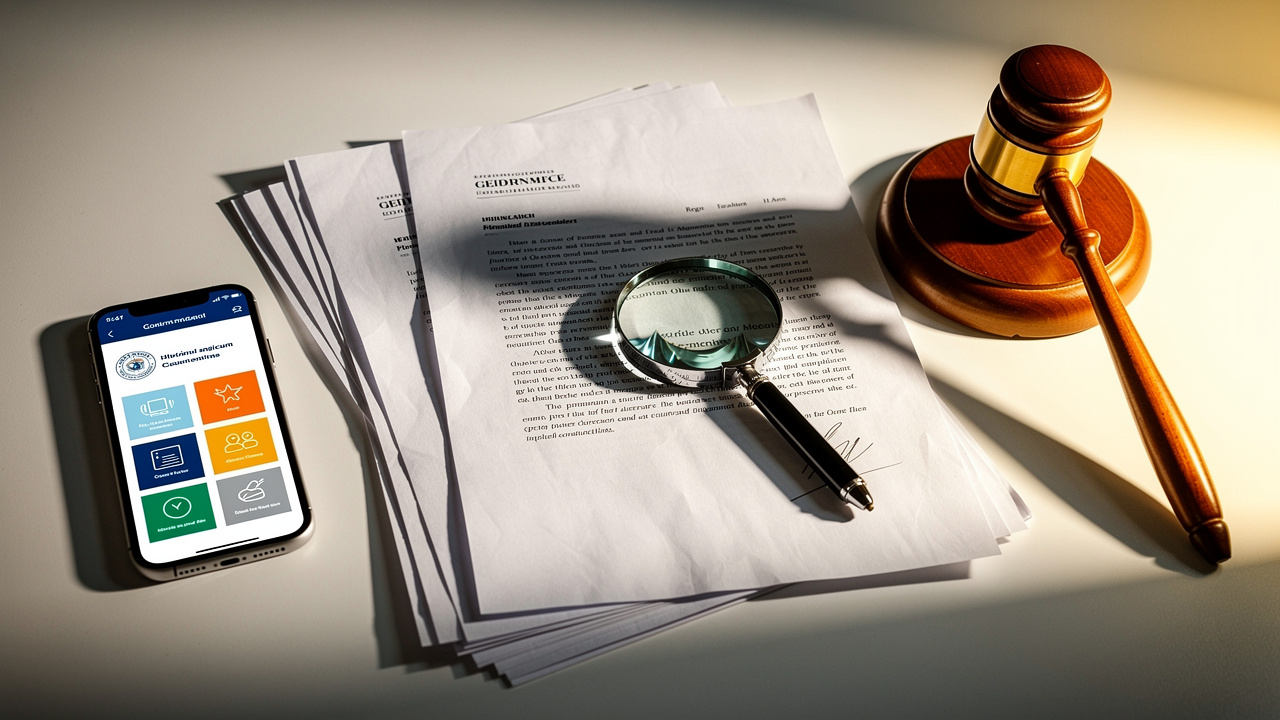
A trademark objection happens when the Trademark Examiner, after checking the application, feels that the mark does not fully meet the law. This view is shared through an Examination Report on the IP India portal and by email. On the IP India website, the application status usually changes to Objected, which is often the first sign that something needs attention. It is the first real legal test of a brand name in the registration process.
This objection is not the final word. It is an invitation to explain why the mark deserves protection. With a clear, legal reply, many objections are resolved on paper without any hearing. For a startup or small business, this reply can be the difference between owning a protected brand and having to start the process again from zero.
There are three broad sets of reasons why objections arise:
Under Section 9, the issue is with the mark itself, such as lack of distinctiveness, being too descriptive, or being misleading.
Under Section 11, the concern is that the mark is too close to an earlier registered or applied mark and may confuse the public.
In addition, there can be procedural problems, like missing Form TM‑48, wrong applicant details, or vague descriptions of goods and services.
“A trademark objection is not the end of the road — it is a legal conversation that, with the right response, you can win.”
— Advocate Rajesh Arya
Because the reply must go in within 30 days, it cannot be pushed aside. For many of my clients, this stage shapes the legal future of their brand, so it deserves focused time, clear thinking, and the right support.
Trademark Objection Vs. Trademark Opposition: Know The Difference
Many brand owners mix up a trademark objection with a trademark opposition. Both sound negative and both can slow down registration, but they arise at different stages, from different people, and with different costs.
A trademark objection comes from inside the Registry. The Examiner raises it during the first legal review of the application. A trademark opposition, on the other hand, comes from outside. It is filed by a third party after the mark has already been accepted and published in the Trade Marks Journal.
Here is a quick comparison for clarity.
| Feature | Trademark Objection | Trademark Opposition |
|---|---|---|
| Stage | During examination | After publication in Trade Marks Journal |
| Raised By | Trademark Examiner | Any third party |
| Response Time | 30 days | 4 months |
| Government Fee For Reply | None | Payable for counter statement |
| Form Of Initiation | Examination Report | Notice of Opposition (Form TM‑O) |
In objection matters, the trademark objection reply service cost is mainly about professional fees for the written reply. Opposition cases usually involve more time, more rounds of evidence, and higher costs — and policy research on discouraging frivolous claims highlights why the opposition stage demands more rigorous legal preparation.
This article deals only with trademark objections and the cost of replying to them. If someone faces an opposition later, the strategy and budgeting will be quite different and closer to a court‑style proceeding.
Trademark Objection Reply Service Cost: A Full Breakdown
When someone contacts me after getting an Examination Report, one of the first questions is simple – “How much will this cost?” The good news is that, for objections in India, the government does not charge a separate fee for the reply — a fact reflected in USPTO trademark statistics and comparable filing frameworks globally. The main part of the trademark objection reply service cost is the professional work needed to prepare a solid response.
Let me break down the cost into clear parts.
Government Fees
For a standard trademark objection reply in India, there are no government filing fees at all. The official fee already paid with the original application covers the examination stage, including the objection. There is no separate form or challan to be paid at this point.
This means that, if a person replies on their own, the only possible extra government‑related expense is a small notary charge for an affidavit, often around ₹100. From a cash point of view, this stage is more about professional help than government payments.
Professional Service Fees

Professional fees form the main part of the trademark objection reply service cost. They usually cover:
studying the Examination Report and original application
checking the Register for cited or similar marks
planning the arguments under Section 9 and Section 11
drafting and refining the written reply
advising on evidence, affidavits, and documents
filing the reply and attachments on the IP India portal
A simple way to view the fee range is through service tiers.
| Service Tier | Estimated Cost (INR) | What Is Typically Included |
|---|---|---|
| Budget‑Friendly | ₹1,899 – ₹2,500 | Basic review of the Examination Report, short legal reply, online filing |
| Standard Or Mid‑Range | ₹3,000 – ₹5,000 + GST | Detailed analysis, structured legal arguments under Section 9 and Section 11, careful evidence review, reply drafting, online filing |
| Complex Cases | ₹5,000+ | Matters involving well‑known marks, heavy similarity disputes, extensive legal research, and preparation for a possible Show Cause Hearing |
Fees change based on the number of issues raised, the strength of earlier marks on record, and how much proof of use the client has. A mark objected under both Section 9 and Section 11, with many cited marks, will always require more work than a simple procedural objection.
In my practice as Advocate Rajesh Arya, I keep pricing clear and written upfront, with no hidden add‑ons. Most of my startup and small business clients fit into the budget‑friendly or standard range. The aim is to give access to real legal expertise without making the cost heavier than the value of the brand at that stage. Clear communication on fees at the start also avoids surprise costs later.
The DIY Approach: Low Cost, High Risk
It is legally allowed to reply to a trademark objection without a lawyer. To do this online, a person needs a Class 3 Digital Signature Certificate (DSC), which usually costs around ₹1,000 – ₹1,200. On paper, this makes the do‑it‑yourself route the cheapest direct option.
However, the hidden cost is risk. The Examiner expects clear answers to each point, backed by law and case examples where needed. A short, vague reply or a reply that misunderstands Section 9 and Section 11 often leads to rejection or a tough Show Cause Hearing later.
Common problems I see in self‑filed replies include:
not answering every objection raised in the report
sending very little or no proof of real use
using arguments that admit weakness instead of correcting it
missing basic formalities on the portal
“Saving a small fee now can become very expensive if your application fails later.”
— Advocate Rajesh Arya
While DIY looks cheap, it carries the highest risk for a valuable brand. If the reply fails, the original government fee is lost and a fresh application may be needed. In my experience, most founders prefer to pay a reasonable professional fee once rather than pay government fees twice and lose time in the market.
What Documents Do You Need For A Strong Reply?
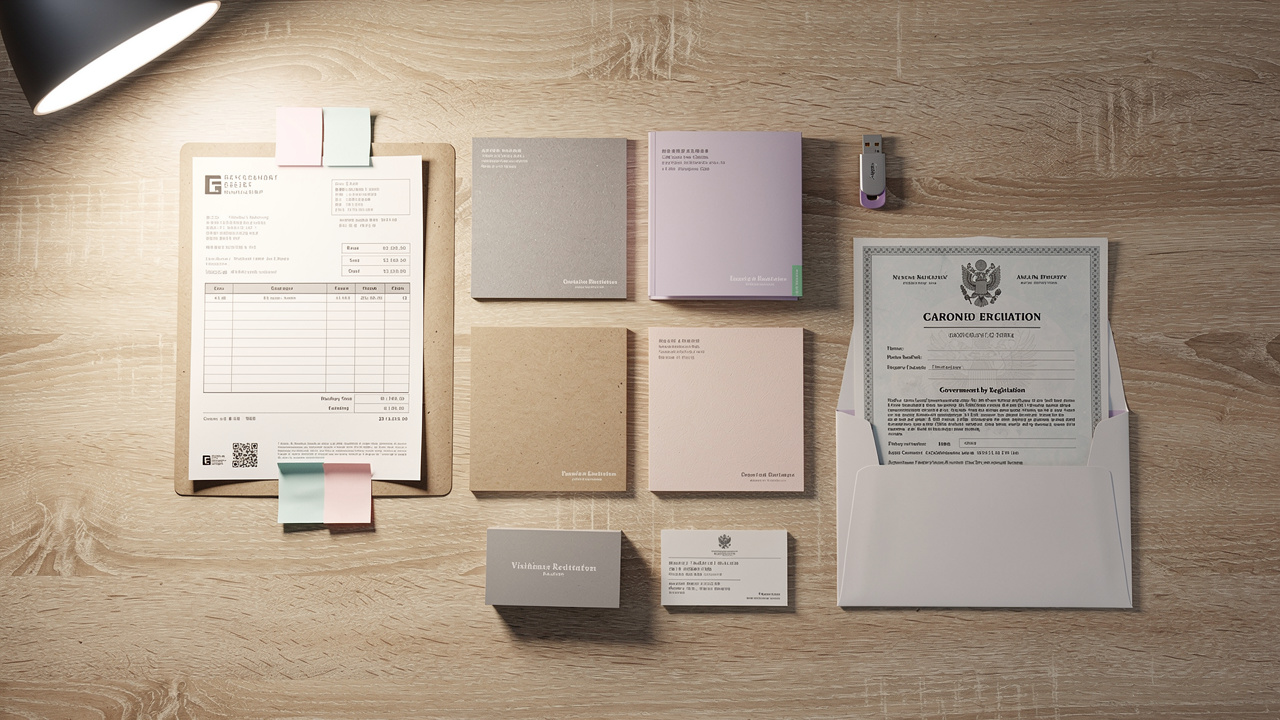
A powerful objection reply is not only about good drafting. It also stands on strong paperwork that shows the Examiner how the mark is used and why it deserves registration. I usually guide my clients to prepare a focused set of documents before we start writing the reply.
First, I review the Examination Report carefully and match each point with available evidence. This saves time later and avoids sending random documents that do not support the reply. With a clear plan, collecting proof becomes much easier.
“In trademark work, strong evidence often matters more than a clever argument.”
— Advocate Rajesh Arya
Here is a practical preparation checklist.
✅ Written Legal Reply And Core Papers
This is the main document where every objection in the Examination Report is answered point by point. Along with it, keep a copy of the original application and the online acknowledgement. When these papers are together, it is easier to cross‑refer dates, classes, and descriptions inside the reply itself.✅ Power Of Attorney And Client Authorisation
When I act for someone, I file Form TM‑48, which is the Power of Attorney for trademark matters. This simple form allows me to sign and file on the client’s behalf. Having it properly signed and scanned in advance avoids last‑minute delays near the thirty‑day deadline.✅ Affidavit Of Usage And Business Background
For many marks, especially those claimed as “proposed to be used,” an Affidavit of Use can be very helpful. It explains since when the mark has been used, in what places, and for which goods or services. When backed by proof, this affidavit shows that the mark has built a real presence in the market.✅ Evidence Of Commercial And Marketing Use
This set includes invoices, purchase orders, sales receipts, product packaging, labels, letterheads, visiting cards, and brochures carrying the mark. It also covers website pages, online marketplace listings, and social media screenshots where the trademark appears. Together, these items present a clear picture of how the brand works in real business.✅ Supporting Government Registrations And Certificates
Documents like MSME, GST, or FSSAI registrations that show the trademarked name can be very useful. They indicate that government agencies already recognise the business under that sign. When I build a reply, I arrange these documents in a logical order so the Examiner can follow them without confusion.
The quality and relevance of these documents often decide whether the matter ends with a paper review or moves into a hearing stage. Organising them neatly into well‑labelled files or PDFs makes the Examiner’s work easier and strengthens the overall impression of the reply.
What Happens After You File The Reply?

Once the objection reply is drafted, signed, and filed on the IP India portal, the process is not over, but the main hard work is done. Many applicants feel anxious at this point because the status on the website does not change immediately.
I always tell clients that the Registry works in stages, and each stage has its own time frame and outcome.
Examiner Review
After filing, the reply and all attachments go back to the same or another Trademark Examiner. This review typically takes two to three months, sometimes more depending on workload. During this period, the online status may show messages such as “Objected” or “Reply filed,” and that is normal. A delay here usually just reflects the queue, not a problem with the reply.Acceptance And Publication
If the Examiner finds the reply and evidence convincing, the objection is cleared. The mark then moves to “Accepted and Advertised” and appears in the Trade Marks Journal. From that date, there is a four‑month window in which any third party can file an opposition.Show Cause Hearing
If the Examiner still has doubts, a Show Cause Hearing is scheduled. This gives the applicant or the attorney a chance to argue the case directly, either in person or through video conference. When I attend these hearings for clients, I rely heavily on the same evidence that went with the reply, but presented in a clear, spoken form.Rejection
If the arguments at the hearing do not satisfy the officer, the application may be refused. At that point, the options are to file a fresh application with a revised mark or consider further legal remedies, depending on the facts. This is why it helps to treat the first written reply as seriously as possible.Registration
If no opposition is filed within the journal period, or if any opposition is later cleared, the mark proceeds to registration. The Registry then issues a Registration Certificate, and the owner can use the ® symbol. For any founder, this is a strong moment of comfort because the brand now carries legal backing across India.
After filing, I keep an eye on the status for my clients on the IP India portal and update them at key steps, so they are not left guessing about what will happen next.
Conclusion
Replying to a trademark objection in India sounds stressful at first, but in many cases it is a manageable legal step. There are no government fees for filing the reply, so the main part of the trademark objection reply service cost is the professional fee, usually in the range of ₹1,899 to ₹5,000+ depending on how complex the case is.
For a business that has invested time and money into building a brand name, this amount is small compared with the value of registration. A careful reply protects the original government filing fee, avoids repeat applications, and keeps the brand moving forward in the Register rather than slipping into abandoned status.
As Advocate Rajesh Arya, my focus is on clear pricing, simple explanations, and practical guidance at every step. If an Examination Report is sitting in the inbox, there is no need to let it turn into an abandoned application. Reach out, share the report, and I can help plan a reply that fits both the budget and the long‑term goals for the brand.
FAQs
Question 1 – How much does it cost to reply to a trademark objection in India?
There are no government filing fees for a standard objection reply in India. The main part of the trademark objection reply service cost is the professional fee, which usually ranges from ₹1,899 for basic services to ₹5,000+ for complex matters, plus GST. There may also be a small notary expense of around ₹100 for an affidavit. If someone chooses the do‑it‑yourself route, the key expense is a Class 3 DSC, which is about ₹1,000 – ₹1,200.
Question 2 – What is the deadline for responding to a trademark objection?
The reply to a trademark objection must reach the Registry within 30 days from the date of the Examination Report. If this limit is missed, the application is marked as Abandoned on the official record. Extensions are rarely available, so working with a professional can help keep drafting, document collection, and filing within this fixed period.
Question 3 – Can I reply to a trademark objection without a lawyer?
Yes, the law allows any applicant to reply to an objection personally, and some people do so using their own Class 3 DSC. However, trademark law has many fine points, and Examiners expect clear references to Section 9, Section 11, and decided cases. Without this background, replies often miss key arguments or send weak evidence. In my experience, a professional reply greatly increases the chance of acceptance and protects the money already spent on the original application fee.
Question 4 – What happens if I do not reply to a trademark objection?
If no reply is filed within the thirty‑day limit, the Registry marks the application as Abandoned. This means the sign is not registered as a trademark, and the earlier government fee is lost. To protect the brand later, a fresh application would be needed with a new fee and waiting period. That is why I always advise treating the first objection reply as a serious, time‑bound task rather than something that can wait.